A guided, portable way to assess your peripheral vision. Eye Check Calgary uses RetinaLogik virtual reality technology for visual field screening and assessment when clinically appropriate.
Conveniently located inside Specsavers on the second floor of Southcentre Mall in SE Calgary, serving Willow Park, Lake Bonavista, Acadia, Southwood, Maple Ridge, Canyon Meadows and surrounding south Calgary communities.
Eye Check Calgary offers RetinaLogik virtual visual field testing at Southcentre Mall in Calgary. The technology uses a portable headset to assess central and peripheral visual sensitivity. Eye Check Calgary also retains conventional visual field testing, and Dr. Theo Buzea selects the testing method based on each patient's clinical needs.
Your visual field is the entire area you can see while looking straight ahead. That includes central vision as well as peripheral vision above, below and to either side.
Visual field testing measures how sensitive different parts of that field are to light. This gives your optometrist functional information that may not be obvious from a standard vision chart.
It may be useful when screening or monitoring concerns involving peripheral vision, the optic nerve, glaucoma risk and certain neurological conditions.
Some visual field changes can develop gradually enough that you may not recognize them yourself. Testing gives your optometrist an objective way to map how different areas of your vision are functioning.
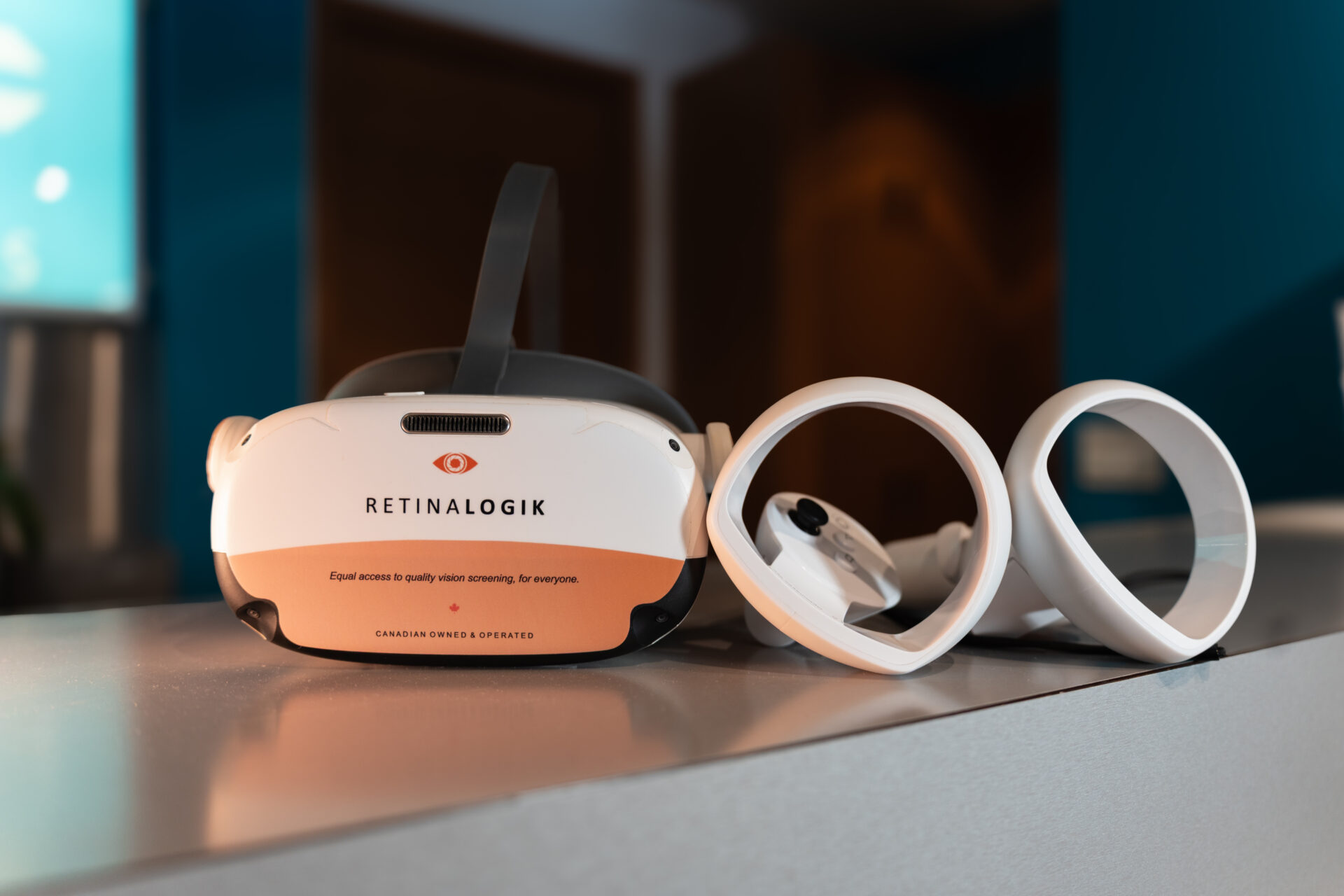
RetinaLogik provides visual field testing through a portable headset rather than relying exclusively on a large stationary perimeter.
The headset presents visual targets in different areas of your field of vision while guiding you through the test with prompts and progress feedback.
Visual field testing can be performed without relying solely on a large fixed perimeter.
Instructions and progress prompts help patients understand what is happening throughout the test.
The system supports 10-2, 24-2, 24-2C, 30-2, Esterman and Full 120 visual field patterns.
Eye Check Calgary provides visual field testing from our optometry clinic inside Specsavers at Southcentre Mall in SE Calgary.
Our location at 100 Anderson Rd SE is convenient for patients from Willow Park, Lake Bonavista, Acadia, Southwood, Maple Ridge and Canyon Meadows, as well as surrounding communities including Queensland, Diamond Cove, Deer Run, Braeside and Woodbine.
If your optometrist recommends visual field testing, Eye Check Calgary has access to virtual visual field technology as well as conventional testing methods. The method used depends on your eye health and the clinical information your optometrist needs.
Visual field testing may also form part of the assessment or monitoring of glaucoma risk and other conditions that can affect peripheral vision.
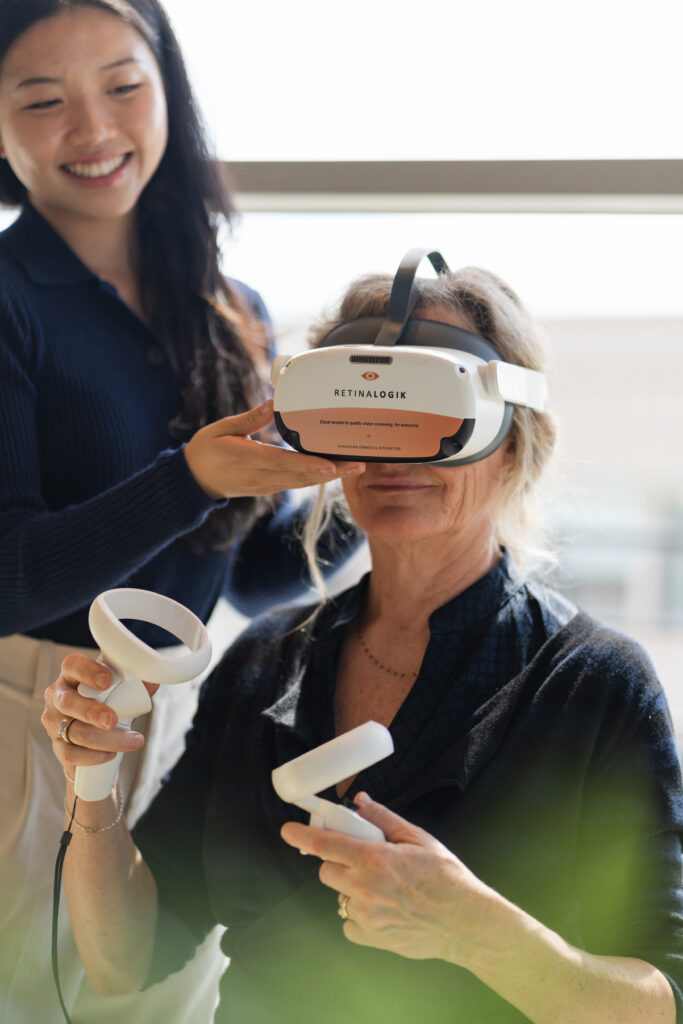
This is really where optometry is heading. Instead of putting your head into a large machine and wondering what is happening while you're clicking at lights, the headset walks you through the test and gives you feedback along the way.
Edited for clarity from Dr. Buzea's discussion of how Eye Check Calgary is introducing virtual visual field testing into the clinic.
A short patient-facing video will be added here showing the RetinaLogik headset, what you experience during the test and why Eye Check Calgary uses different visual field technologies for different clinical needs.
Until then, continue below for a step-by-step explanation.
Video with Dr. Theo Buzea coming soon.
The biggest advantages are less about making the technology look futuristic and more about making an important eye test easier to understand and complete.
The headset gives instructions and progress feedback throughout the test.
In a 2026 comparative study, 90% of participants preferred the RetinaLogik VR system over traditional Humphrey testing.
86.4% of participants in the comparative study favoured the VR system for comfort.
The test is delivered through a headset rather than requiring only a large dedicated visual field machine.
Average testing time was 5.41 minutes with RetinaLogik versus 6.96 minutes with Humphrey testing in the published comparison.
Multilingual guidance can make the testing process easier to understand for a diverse range of patients.
The system records indicators including fixation loss, false-positive and false-negative responses.
RetinaLogik supports commonly used visual field patterns including 10-2, 24-2, 24-2C and 30-2.
When Eye Check Calgary introduced the headset, Dr. Theo expected younger patients to be the ones most interested in the technology.
Instead, patients across age groups have reacted positively, including older patients who may previously have experienced conventional visual field testing.
“I thought younger patients would be the ones most excited by it, but some of our older patients absolutely love it. They put the headset on and feel like they're experiencing the future of eye care.”
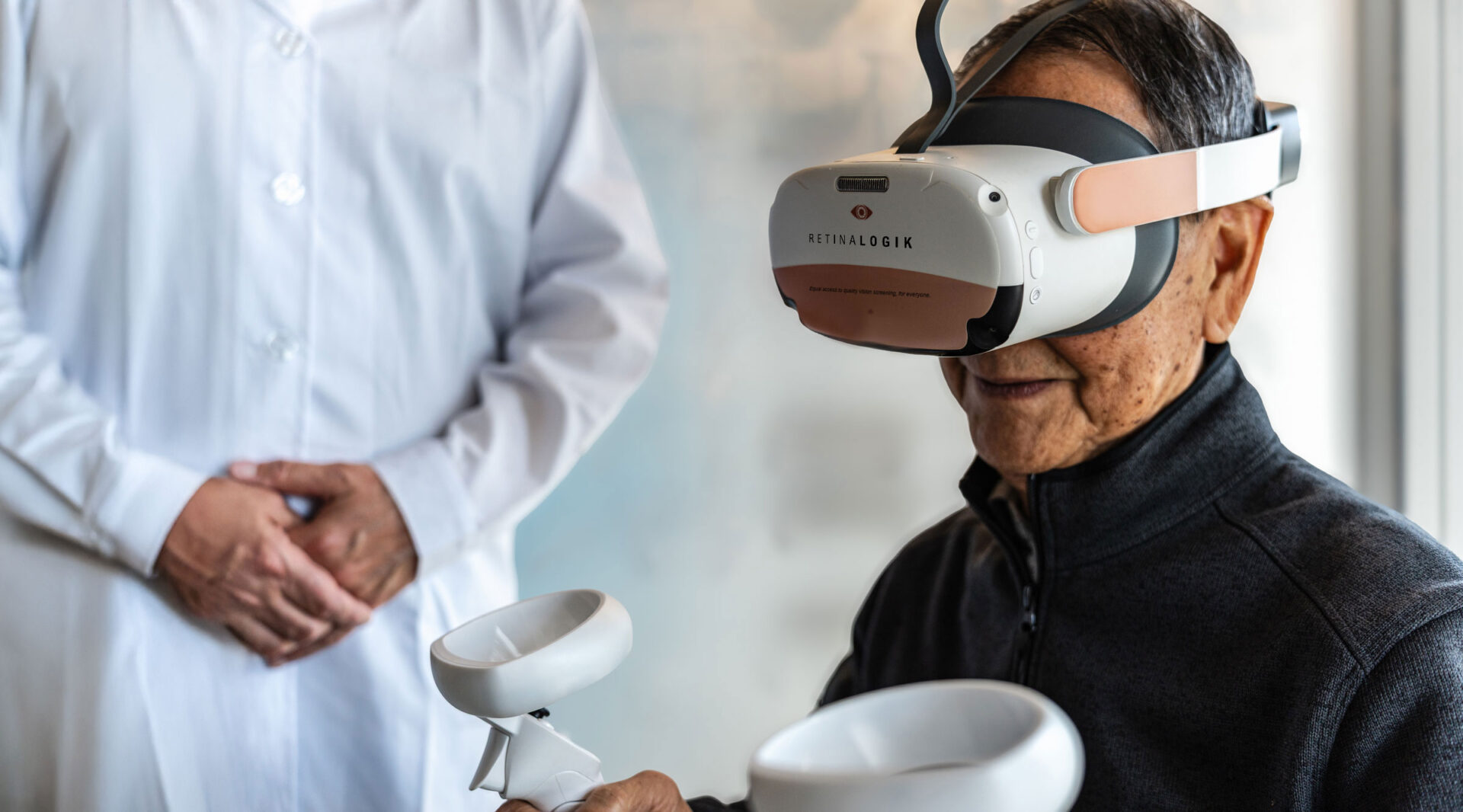
Both methods are designed to measure how different areas of your visual field are functioning. The patient experience is what looks very different.
Your chin and forehead are positioned at a stationary testing instrument.
You keep your gaze fixed while visual targets are presented.
Your responses build a map of your visual sensitivity.
Your optometrist interprets the findings in the context of your eye health.
The test is presented within the portable RetinaLogik headset.
Audio and visual prompts help guide you through the test.
You indicate when you see lights in different areas of your field of vision.
Your optometrist interprets the results alongside the rest of your examination.
Humphrey visual field testing is a well-established conventional method of automated perimetry.
A 2026 comparative study evaluated the RetinaLogik RVF100 against the Humphrey Visual Field Analyzer using a 30-2 visual field grid.
*Figures are from a 2026 comparative cross-sectional study involving 46 participants and 76 eyes. These findings do not mean one testing system is best for every patient or clinical situation.
RetinaLogik gives Eye Check Calgary another way to perform visual field testing, but the technology selected for your assessment is based on your individual clinical needs.
Dr. Theo Buzea has a particular interest in ocular disease and has taken a measured approach to introducing virtual perimetry.
For screening visual fields and other appropriate functional assessments, the virtual platform can offer an efficient and patient-friendly experience.
For certain glaucoma patients and more complex ocular-disease assessments, Dr. Theo currently continues to use conventional Humphrey visual field testing while gaining additional clinical experience with the virtual platform.
The goal is not to give every patient the newest machine. The goal is to choose the technology that is most appropriate for the question your optometrist is trying to answer.
A 2026 study published in the Canadian Journal of Ophthalmology compared RetinaLogik's RVF100 virtual-reality perimeter with the Humphrey Visual Field Analyzer.
The study included 76 eyes from 46 participants classified as normal, glaucoma or other diagnoses including ocular hypertension and optic neuritis.
View the Published Research →Strong correlation between RetinaLogik and Humphrey results for Mean Deviation.
The study also reported strong correlation for Pattern Standard Deviation.
5.41 minutes with RetinaLogik versus 6.96 minutes with Humphrey testing.
Fixation losses were 1.79% with RetinaLogik compared with 5.59% using Humphrey testing.
False-positive responses were slightly higher with RetinaLogik: 3.44% compared with 1.92% using Humphrey testing. Further research across broader patient populations and disease stages remains important.
Visual field testing measures how different areas of your vision are functioning. The results can help your optometrist investigate or monitor changes involving the visual pathway.
Results are interpreted alongside the rest of your comprehensive eye examination, which may include eye pressure measurements, retinal imaging, OCT imaging, optic nerve assessment and your medical and ocular history.
Visual field testing can help identify and monitor characteristic patterns of functional vision loss. Learn more about our glaucoma exam in Calgary.
Provides functional information when elevated eye pressure or glaucoma risk is being evaluated.
Visual field patterns can help assess how optic nerve changes may be affecting vision.
Helps map areas where visual sensitivity may be reduced.
Certain neurological conditions can affect specific areas of the visual field.
Certain screening and functional visual field assessments may require measurement of peripheral vision.
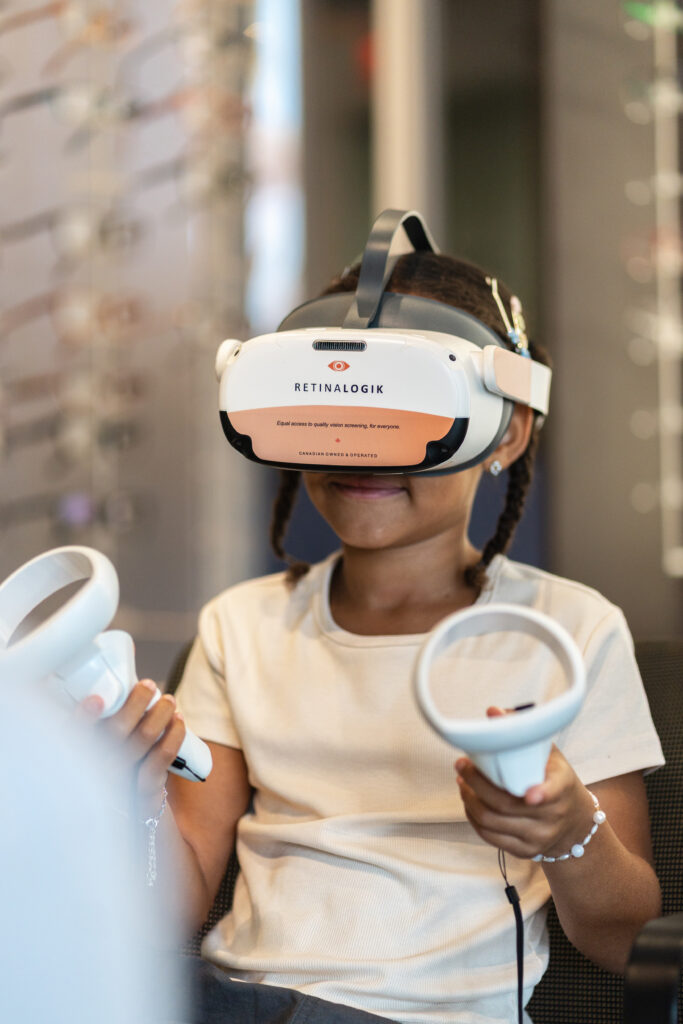
The test is non-invasive. Nothing touches the surface of your eye.
The headset is positioned so the visual field test can be presented directly within your field of vision.
Guided prompts explain what you need to do and help you move through the test.
Visual targets appear in different areas. Your responses help create a map of your visual sensitivity.
The findings are interpreted alongside the rest of your eye health assessment.
These technologies answer different questions. When appropriate, considering both can provide complementary information about your eyes.
Optical coherence tomography produces detailed cross-sectional images of retinal and optic nerve structures.
Learn About Comprehensive Eye Exams →Visual field testing measures how sensitive different areas of your vision are to light.
Learn About Glaucoma Care →Our Southcentre Mall optometry clinic is conveniently located for patients throughout SE and south Calgary.
Eye Check Calgary at Southcentre Mall is conveniently located for Willow Park residents seeking advanced visual field testing.
Convenient access to our Southcentre Mall clinic from Lake Bonavista and nearby southeast Calgary communities.
Advanced eye exams and visual field testing are available nearby at our Southcentre Mall location.
Our Southcentre clinic is easily accessible for patients from Southwood and surrounding south Calgary communities.
Visit Eye Check Calgary for comprehensive eye exams and advanced visual field assessment near Maple Ridge.
Southcentre Mall provides convenient access to advanced eye care for Canyon Meadows and southwest Calgary patients.
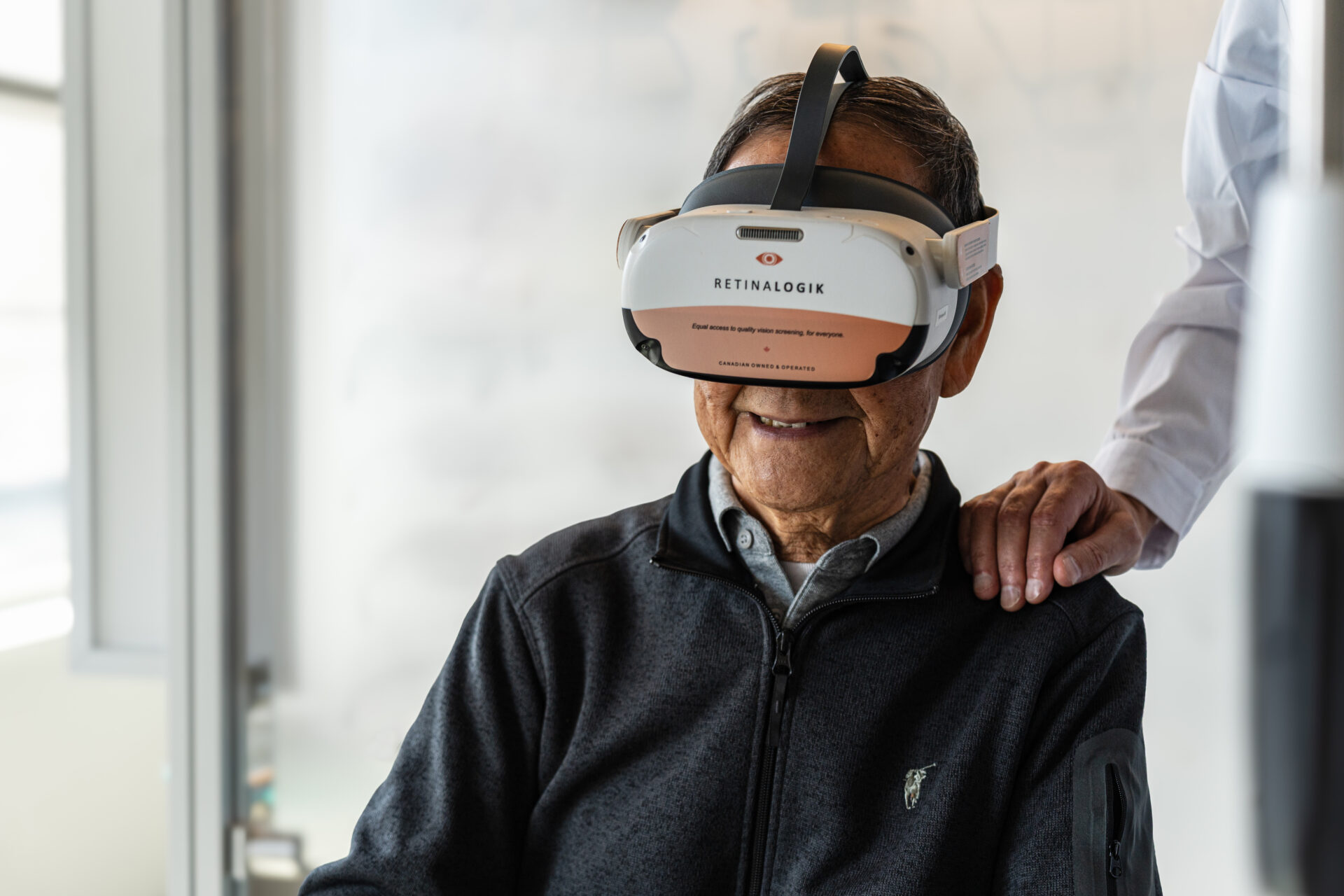
Virtual visual field testing combines sophisticated measurement with a guided patient experience. The goal is to make the process easier to understand while still giving your optometrist useful functional information about your vision.
RetinaLogik was co-founded while its founders were at the University of Calgary, combining research in vision science, deep learning and accessibility in eye care.
The technology has since developed into a portable clinical platform used by eye care professionals in Canada and internationally.
Book a comprehensive eye exam at Eye Check Calgary inside Specsavers at Southcentre Mall. If visual field testing is appropriate for you, your optometrist will determine the testing method that best supports your eye care.
100 Anderson Rd SE 2nd Floor
Calgary, AB, T2J 3V1
Inside Specsavers Southcentre Location
Book your comprehensive eye exam in Calgary with Eye Check Calgary. Whether it’s digital eye strain, dry eyes, diabetes-related vision concerns, or a contact lens fitting, we’ll guide you through every step with care and clarity. Call us today at 587-441-5254.

Comprehensive eye care in Calgary, led by Dr. Theo Buzea. We provide full-scope optometry services for all ages, including routine eye exams, contact lens fittings, dry eye assessments, and advanced diagnostic testing. Our clinic is equipped with state-of-the-art imaging technology to detect and manage conditions like glaucoma, diabetic retinopathy, macular degeneration, and myopia.
At Eye Check Calgary, your vision health is our priority. Whether you need a back-to-school eye exam for your child, ongoing care for a chronic condition, or emergency eye treatment, our team makes the process simple, thorough, and stress-free. With direct billing, seniors’ and children’s coverage, and same-day appointments available, protecting your eyesight has never been easier.
Book your next Calgary eye exam today and experience personalized care from Dr. Theo Buzea and the Eye Check team.