Dry eye is one of the most common reasons people visit an optometrist, yet many individuals do not realize that their symptoms are caused by an underlying eye condition. It is easy to dismiss occasional burning, watering, or blurry vision as fatigue, allergies, or simply spending too much time on a computer. However, when these symptoms become persistent, they can interfere with daily life and affect the overall health of your eyes.
A dry eye assessment goes beyond confirming that your eyes feel dry. It is a comprehensive evaluation that helps your optometrist determine why your eyes are not producing healthy tears or why the tears you do produce are not providing enough lubrication. Every patient experiences dry eye differently, which is why identifying the underlying cause is essential before recommending treatment.
Dry eye symptoms may develop gradually or appear suddenly. They can become worse during certain times of the year, especially in Calgary's dry climate where cold winters, wind, and indoor heating can all contribute to eye discomfort. Long hours spent using computers, tablets, and smartphones can also reduce blinking, allowing tears to evaporate more quickly.
Some of the most common symptoms include:
- Burning or stinging eyes
- Itchy or irritated eyes
- A gritty or sandy sensation
- Excessive watering
- Redness
- Fluctuating or blurry vision
- Sensitivity to light
- Eye fatigue after reading or screen use
- Difficulty wearing contact lenses comfortably
- A feeling that something is stuck in the eye
Many patients are surprised to learn that watery eyes are actually one of the most common symptoms of dry eye. When the surface of the eye becomes irritated, it can trigger an overproduction of poor-quality reflex tears. These tears do not provide the lubrication needed to keep the eyes comfortable, so symptoms often continue despite excessive watering.
Without proper evaluation, many people rely on artificial tears for months or even years without ever addressing the true cause of the problem. While lubricating drops may temporarily improve comfort, they often do not resolve the underlying issue. A professional assessment allows your optometrist to identify exactly what is contributing to your symptoms and develop a treatment plan that is tailored to your individual needs.
What Happens During a Dry Eye Assessment?
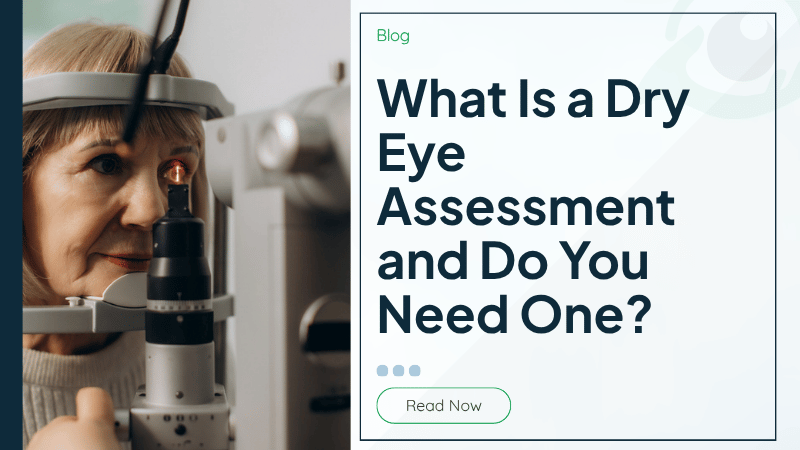
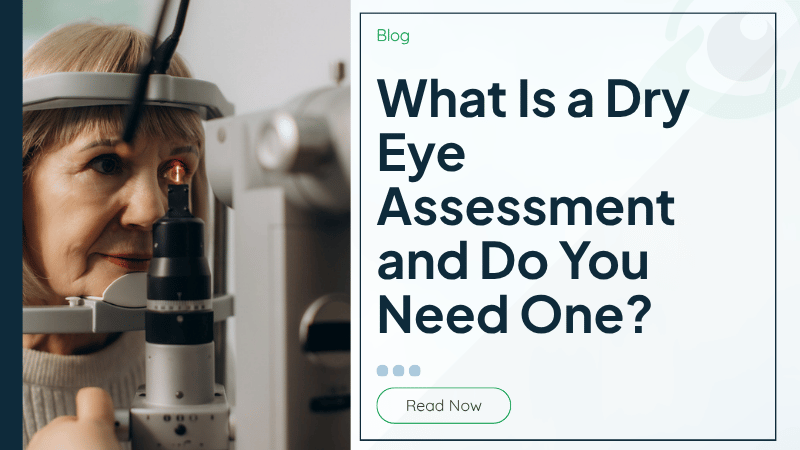
A dry eye assessment is designed to evaluate every aspect of your ocular surface and tear film. Rather than simply confirming that your eyes are dry, the examination helps determine why your symptoms are occurring and what treatment options are most appropriate.
At EyeCheck Calgary, your appointment begins with a detailed discussion about your symptoms, lifestyle, and medical history. Your optometrist will want to understand when your symptoms occur, what activities make them worse, and whether they affect your work, hobbies, or daily routine.
You may be asked questions about:
- Screen time during work or school
- Contact lens wear
- Previous eye injuries or surgery
- Medications you currently take
- Seasonal allergies
- Autoimmune conditions
- General health concerns
- Previous dry eye treatments
Following this discussion, your optometrist performs a comprehensive examination of your eyes using specialized equipment.
Your assessment may include:
- Evaluation of tear quantity
- Assessment of tear quality
- Examination of the tear film
- Slit lamp examination of the front surface of the eye
- Assessment of the eyelids and meibomian glands
- Evaluation for inflammation
- Examination of the cornea and conjunctiva
- Review of your overall eye health
One of the most important parts of the assessment is determining whether your dry eye is caused by reduced tear production, excessive tear evaporation, poor oil gland function, or a combination of several factors. Since every patient is different, treatment should never follow a one-size-fits-all approach.
Different types of dry eye require different treatment strategies, which is why an accurate diagnosis is so important. Some patients produce an insufficient volume of tears, while others produce enough tears but the tear film evaporates too quickly because it lacks the protective oil layer. In many cases, patients experience a combination of both issues. Identifying the type of dry eye you have allows your optometrist to recommend treatments that are more likely to provide lasting relief instead of relying on trial and error.
Your lifestyle also plays an important role in the assessment. Spending long hours working on a computer, driving, reading, or using a smartphone can significantly reduce your blink rate, allowing tears to evaporate more quickly. Environmental factors such as indoor heating, air conditioning, smoke, and Calgary's dry climate may also contribute to ongoing symptoms. Understanding these factors helps your optometrist recommend practical changes that can complement your treatment plan and improve your day-to-day comfort.
The goal of a dry eye assessment is not only to relieve your current symptoms but also to protect the long-term health of the surface of your eyes. When dry eye is left untreated, chronic inflammation can affect the quality of your tears, damage the ocular surface, and make symptoms progressively more difficult to manage. Early assessment allows treatment to begin before these changes become more significant, helping patients maintain comfortable vision and healthier eyes over time.
Your optometrist will also look for other conditions that may be contributing to your symptoms. Sometimes dry eye develops alongside allergies, blepharitis, contact lens wear, or other ocular conditions that require additional management.
Once the examination is complete, your results will be reviewed with you in detail. Rather than simply recommending eye drops, your optometrist explains what is causing your symptoms and discusses the treatment options that are most appropriate for your situation.
Depending on the findings, treatment recommendations may include:
- Artificial tears or lubricating eye drops
- Warm compresses
- Eyelid hygiene
- Lifestyle modifications
- Environmental changes
- Nutritional recommendations
- Prescription medications when appropriate
- Follow-up monitoring to evaluate improvement
Because dry eye is often a chronic condition, treatment is focused on improving long-term comfort and maintaining the health of the eye rather than providing only temporary relief.
Who Should Schedule a Dry Eye Assessment?
Many people believe dry eye only affects older adults, but the condition can develop at almost any age. While aging is one risk factor, lifestyle habits and environmental conditions have made dry eye increasingly common among younger adults as well.
You may benefit from a dry eye assessment if you:
- Spend several hours each day using computers or digital devices
- Wear contact lenses regularly
- Experience frequent burning or irritation
- Have watery eyes without an obvious cause
- Notice blurry vision that improves after blinking
- Have difficulty reading for extended periods
- Work in air-conditioned or heated environments
- Spend significant time outdoors in windy conditionsHave been diagnosed with an autoimmune condition
- Have symptoms that continue despite using artificial tears
Many Calgary residents notice their symptoms become worse during the colder months. Indoor heating systems reduce humidity, while cold outdoor air and wind can increase tear evaporation. Even during warmer months, prolonged air conditioning and digital device use can contribute to ongoing discomfort.
Early assessment offers several important advantages. Identifying the underlying cause before symptoms become more severe can improve treatment outcomes, reduce irritation, and help protect the surface of the eye over time.
At EyeCheck Calgary, our comprehensive dry eye assessments are designed to identify the source of your symptoms rather than simply managing them temporarily. We take the time to evaluate your eye health thoroughly, explain your findings clearly, and recommend personalized treatment options that support long-term eye comfort and better vision. By addressing the underlying cause early, many patients experience improved comfort while reading, driving, working on digital devices, and enjoying everyday activities.
If you have been living with dry, burning, watery, or irritated eyes, there is no reason to continue guessing what is causing your symptoms. Whether you live in Fairview, Willow Park, Southwood, Lake Bonavista, Oakridge, Ogden, Acadia, Crestview, Ranchlands, Rosemont, or elsewhere in Calgary, our team is here to help you find lasting relief. Contact EyeCheck Calgary today to schedule your comprehensive dry eye assessment and take the first step toward healthier, more comfortable eyes.